
Dog Egg Serving Calculator
Enter your dog's details below to find out exactly how much plain, cooked scrambled egg is safe for them to eat daily without exceeding their caloric needs.
Quick Safety Checklist
You’re making breakfast, your dog is staring at you with those big, hopeful eyes, and you wonder: can I share a bite of my scrambled eggs? It’s a common dilemma. We all want to treat our furry friends, but we also worry about tummy upsets or worse. The short answer is yes, scrambled eggs are generally good for dogs, provided you cook them correctly. But there’s more to it than just tossing an egg in the pan.
This guide breaks down exactly why eggs are a nutritional powerhouse, how to prepare them safely without hidden dangers like salt or butter, and when you should skip the scramble entirely. Whether you have a puppy, a senior dog, or one with specific health conditions, understanding the nuances of feeding eggs will help you keep your pet happy and healthy.
Key Takeaways
- Safety First: Always serve eggs fully cooked. Raw eggs pose risks of Salmonella and biotin deficiency.
- No Additives: Plain eggs only. No salt, pepper, butter, oil, or onions/garlic.
- Nutritional Boost: Eggs provide high-quality protein, essential fatty acids, and vitamins A, D, E, and B12.
- Moderation is Key: Treats (including eggs) should not exceed 10% of your dog’s daily caloric intake.
- Allergy Watch: While rare, some dogs are allergic to chicken eggs. Introduce slowly.
Why Eggs Are a Nutritional Powerhouse for Dogs
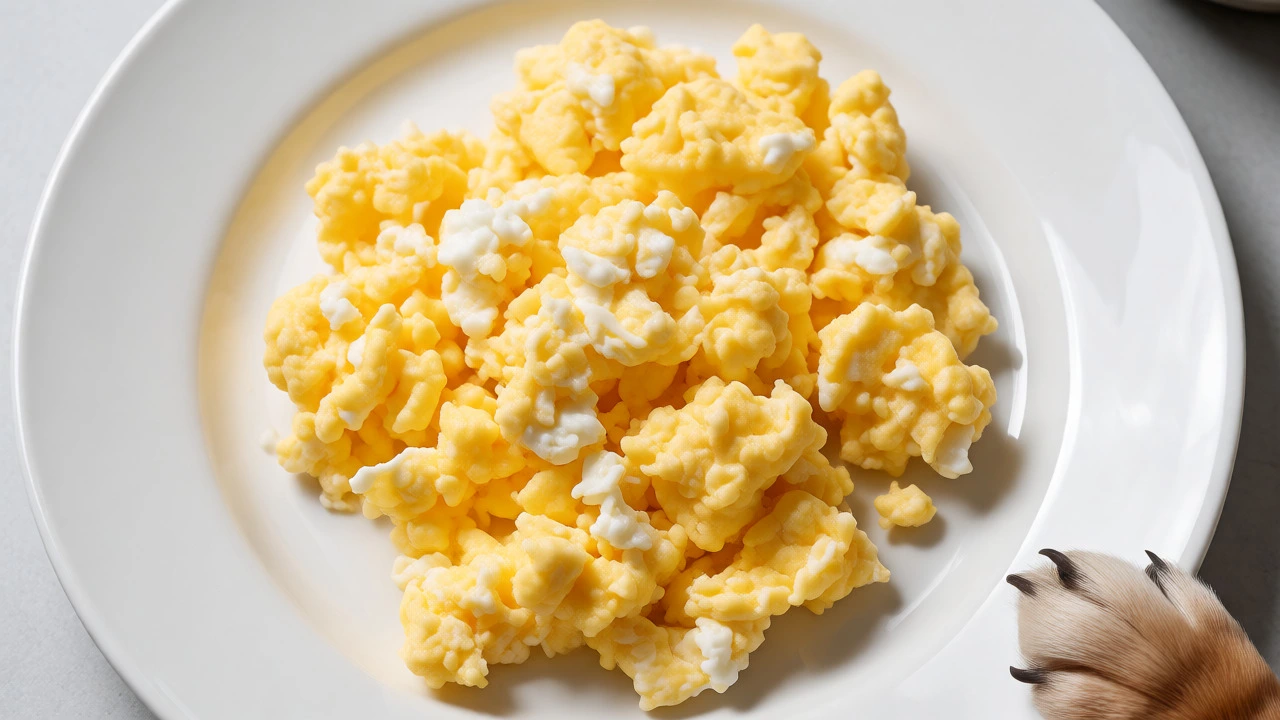
Eggs aren’t just a human breakfast staple; they are one of the most complete foods available for canine nutrition. When we talk about Scrambled Eggs as a high-protein, vitamin-rich food source suitable for canine consumption when prepared plainly, we’re referring to their dense nutrient profile. Unlike many commercial treats that are mostly fillers, eggs offer real biological value.
The primary benefit is protein. Protein is made of amino acids, which are the building blocks for muscle, tissue repair, and enzyme production. Eggs contain all ten essential amino acids that dogs cannot produce on their own. This makes them a "complete" protein source, similar to meat but often easier to digest for dogs with sensitive stomachs.
Beyond protein, eggs are rich in fats. Specifically, they contain linoleic acid, an omega-6 fatty acid that promotes healthy skin and a shiny coat. If you’ve noticed your dog’s fur looking dull or their skin getting flaky, adding a little plain scrambled egg might help more than expensive shampoos. They also pack significant amounts of Vitamin A, which supports eye health and immune function, and Vitamin D, crucial for bone strength and calcium absorption.
| Nutrient | Amount in 1 Large Egg | Benefit for Dogs |
|---|---|---|
| Protein | 6 grams | Muscle maintenance and repair |
| Fat | 5 grams | Energy source and coat health |
| Vitamin A | 6% DV* | Vision and immune support |
| Vitamin B12 | 9% DV* | Brain function and red blood cell formation |
| Selenium | 28% DV* | Antioxidant protection |
*DV = Daily Value based on a 2,000 calorie diet for humans; values vary for dogs by size.
The Right Way to Prepare Scrambled Eggs
Here is where most owners get into trouble. You make your eggs fluffy with butter, season them with salt and pepper, and maybe throw in some chives. Then you give a piece to your dog. That seems harmless, right? Wrong. Those additives can cause serious issues.
To keep scrambled eggs safe for your pup, follow these strict rules:
- Cook Thoroughly: Never feed raw or runny eggs. Cooking kills bacteria like Salmonella and E. coli, which can make both you and your dog sick. Symptoms include vomiting, diarrhea, and fever.
- Use Non-Stick Spray or Water: Avoid butter, olive oil, or bacon grease. While small amounts of fat aren’t toxic, the extra calories add up quickly, and dairy can upset some dogs’ lactose-sensitive stomachs. Use a non-stick pan with a light spray of cooking oil if necessary, or simply use water to prevent sticking.
- Skip the Seasonings: Salt is okay in tiny traces naturally found in eggs, but don’t add table salt. Excess sodium strains kidneys and hearts. Black pepper is generally safe in minute amounts but can irritate sensitive noses. Skip garlic and onions entirely-they are toxic to dogs and can damage red blood cells.
- No Dairy: Do not mix milk or cream into the scramble unless you know your dog tolerates dairy well. Many adult dogs lose the enzyme lactase needed to digest milk sugars, leading to gas and diarrhea.
Think of it this way: if you wouldn’t eat it plain, neither should your dog. The goal is pure protein and fat delivery without unnecessary gastrointestinal stress.
How Much Can Your Dog Eat?
Just because something is healthy doesn’t mean you can feed unlimited amounts. Eggs are calorie-dense. One large egg contains about 70-78 calories. For a small Chihuahua weighing 5 pounds, that’s nearly half their daily calorie requirement! Overfeeding eggs can lead to weight gain, which exacerbates joint problems and reduces lifespan.
A good rule of thumb is the 10% Rule. Treats and supplemental foods should never make up more than 10% of your dog’s total daily caloric intake. The other 90% should come from their balanced, complete-and-balanced dog food.
Here’s a rough guide based on dog size:
- Small Dogs (under 20 lbs): 1/4 to 1/2 egg per day.
- Medium Dogs (20-50 lbs): 1 egg per day.
- Large Dogs (50-90 lbs): 1 to 2 eggs per day.
- Giant Breeds (over 90 lbs): 2 to 3 eggs per day.
If you are using eggs as a training reward, break them into smaller pieces. A whole egg is too much for a single command. Also, consider reducing their main meal portion slightly on days you feed eggs to balance the calories.
Potential Risks and When to Say No
While eggs are widely considered safe, they aren’t perfect for every dog. There are specific scenarios where you should avoid serving scrambled eggs.
Egg Allergies: Chicken eggs are one of the top five food allergens for dogs. Signs of an allergy include itching, ear infections, paw licking, and digestive upset. If your dog has never eaten eggs before, start with a tiny piece (the size of a pea) and wait 24 hours to see if any reaction occurs. If they scratch excessively or get loose stools, eliminate eggs from their diet.
Pancreatitis: Dogs prone to pancreatitis need low-fat diets. Since eggs are high in fat, especially the yolk, they can trigger painful inflammation of the pancreas. If your dog has a history of pancreatitis, consult your vet before adding eggs. Sometimes, vets recommend feeding only the whites, which are almost pure protein with minimal fat.
Diabetes: While eggs themselves don’t spike blood sugar significantly, the preparation matters. If you accidentally used sugary ketchup or sweetened ingredients, it could affect diabetic control. Stick to plain, savory eggs.
Raw Egg Whites and Biotin: Historically, people worried that raw egg whites contain avidin, a protein that binds to biotin (Vitamin B7) and prevents its absorption. Long-term consumption of raw whites could theoretically lead to biotin deficiency, causing skin and coat issues. However, cooking denatures avidin, eliminating this risk. This is another reason why scrambling (cooking) is superior to feeding raw eggs.
Eggshells: Don’t Throw Them Away
Most people toss the shells, but they are actually a valuable supplement. Eggshells are primarily calcium carbonate, a form of calcium that dogs can absorb easily. Calcium is vital for bone health, nerve transmission, and muscle contraction.
However, you can’t just hand a dog a jagged shell fragment. Sharp edges can cut the mouth or esophagus. To safely feed eggshells:
- Rinse the shells thoroughly to remove any remaining egg white.
- Boil them for 10 minutes to kill any bacteria.
- Bake them at 200°F (93°C) until completely dry and brittle.
- Grind them into a fine powder using a coffee grinder or blender.
Add about half a teaspoon of this powder to your dog’s food once or twice a week. This provides a natural calcium boost, especially beneficial for growing puppies or senior dogs with osteoporosis concerns. Just be careful not to overdo it-too much calcium can interfere with zinc and iron absorption.
Alternatives to Scrambled Eggs
If your dog loves eggs but you want variety, or if you find scrambling too messy, consider these alternatives. Each offers different nutritional profiles and textures.
| Food Item | Preparation Required | Main Benefit | Risk Level |
|---|---|---|---|
| Hard-Boiled Eggs | Boil, peel, chop | Portable, no mess, same nutrients as scrambled | Low |
| Plain Omelet | Cook with water, no fillings | Larger portion, easy to slice | Low |
| Freeze-Dried Liver | Buy pre-made | High palatability, long shelf life | Medium (cost) |
| Blueberries | Wash, serve fresh/frozen | Antioxidants, low calorie | Very Low |
| Carrots | Chop into sticks | Dental health, fiber, Vitamin A | Very Low |
Hard-boiled eggs are often preferred by owners who dislike the smell of frying eggs. They are equally nutritious and can be stored in the fridge for up to a week. Simply peel and chop them into bite-sized pieces. Freeze-dried liver is another top-tier option for training rewards because dogs go crazy for the smell, but it’s pricier than eggs.
Introducing Eggs to Puppies and Senior Dogs
Puppies have developing digestive systems. Their guts are learning what is safe and what isn’t. Introduce eggs gradually, starting around 8 weeks old if they are already eating solid food. Start with a very small amount of fully cooked, plain scrambled egg mixed into their regular puppy kibble. Monitor for loose stools. If their digestion remains stable, you can increase the portion slowly.
Senior dogs, on the other hand, often struggle with dental issues or reduced appetite. Soft, moist foods like scrambled eggs can be a great way to encourage eating. The soft texture is easy to chew, and the strong aroma stimulates appetite in picky seniors. Additionally, the high-quality protein helps combat sarcopenia, the age-related loss of muscle mass common in older dogs.
For senior dogs with kidney disease, however, check with your vet first. Kidney issues often require restricted phosphorus and protein levels. Eggs are moderate in phosphorus, so they might need to be limited compared to leaner meats like chicken breast.
Common Myths About Feeding Eggs to Dogs
Let’s clear up some confusion floating around online forums and old wives’ tales.
Myth 1: "Eggs make dogs hyperactive." There is no scientific evidence linking egg consumption to hyperactivity. If your dog gets excited after eating eggs, it’s likely because they enjoy the taste or associate the kitchen activity with treats, not because of the nutrients.
Myth 2: "Dogs can’t digest cholesterol." Dogs process dietary cholesterol differently than humans. While excessive fat can be an issue, the cholesterol in eggs does not typically cause heart disease in dogs the way it might in sedentary humans. In fact, cholesterol is necessary for hormone production.
Myth 3: "Only organic/free-range eggs are safe." Regular grocery store eggs are perfectly safe for dogs. The key factor is cooking, not the living conditions of the hen. Organic eggs may have slightly higher omega-3 content depending on the hen’s diet, but the difference is negligible for most dogs.
Final Thoughts on Serving
So, are scrambled eggs good for dogs? Absolutely. They are affordable, accessible, and packed with nutrients that support everything from coat shine to muscle health. The trick lies in preparation. Keep it simple: plain, cooked, and moderated.
Treat eggs as a supplement or a special treat, not a meal replacement. Your dog’s primary diet should still be a complete and balanced commercial dog food or a vet-formulated home-cooked diet. By following the guidelines above, you can safely share this breakfast favorite with your best friend without worrying about tummy troubles.
Can dogs eat raw scrambled eggs?
No, you should always cook scrambled eggs thoroughly before feeding them to your dog. Raw eggs carry a risk of Salmonella and E. coli infection, which can cause vomiting and diarrhea in dogs. Additionally, raw egg whites contain avidin, which can interfere with biotin absorption if fed regularly.
Is it okay to feed dogs eggs every day?
Yes, most healthy dogs can eat eggs daily, provided they fit within their caloric needs. For small dogs, limit it to a quarter or half an egg. For larger dogs, one egg a day is usually fine. Always monitor your dog’s weight and stool quality. If you notice weight gain or digestive issues, reduce the frequency to a few times a week.
What happens if I put butter on my dog's eggs?
Butter is high in saturated fat and can cause gastrointestinal upset in dogs, including diarrhea and vomiting. Some dogs are also lactose intolerant and may react poorly to the dairy in butter. Furthermore, the extra calories from butter can contribute to obesity and pancreatitis in prone breeds. It is best to cook eggs without butter or oil.
Are egg yolks bad for dogs?
No, egg yolks are not bad for most dogs. In fact, they contain most of the vitamins (A, D, E, K) and healthy fats found in the egg. However, they are also high in fat and cholesterol. Dogs with pancreatitis or obesity should limit yolk intake or stick to egg whites, which are lower in fat.
Can dogs eat onion and pepper scrambled eggs?
No. Onions and garlic (often paired with pepper in recipes) are toxic to dogs and can cause hemolytic anemia. Pepper is generally safe in tiny amounts but can irritate a dog’s nose and stomach. To be safe, always serve plain scrambled eggs without any spices or vegetables.
How do I know if my dog is allergic to eggs?
Common signs of an egg allergy in dogs include intense itching, red or inflamed skin, chronic ear infections, hot spots, and digestive issues like vomiting or diarrhea. If you suspect an allergy, stop feeding eggs immediately and consult your veterinarian for an elimination diet trial.