
Blueberry Serving Size Calculator
Recommended Daily Limit
Based on veterinary guidelines
Picture this: you’re snacking on a handful of fresh blueberries while your dog watches with those soulful eyes. It’s tempting to toss one their way. But before you do, you need to know if that little berry is actually good for them or just a sugary trap. The short answer? Yes, blueberries are generally safe and even beneficial for most dogs. They pack a punch of nutrients without the heavy sugar load of many commercial treats.
However, "safe" doesn’t mean "unlimited." Just like us, dogs have dietary limits. Feeding too many can lead to digestive upset, and certain health conditions require stricter control. This guide breaks down exactly why these berries are a superfood for pups, how much is too much, and the hidden risks you might not see coming.
Why Blueberries Are a Superfood for Canines
Blueberries are small, sweet berries rich in antioxidants, fiber, and vitamins C and K. For dogs, they aren't just a tasty snack; they are a functional food that supports long-term health.
The primary reason veterinarians often recommend blueberries is their high content of antioxidants, which are compounds that help protect cells from damage caused by free radicals. As dogs age, their bodies produce more free radicals, leading to inflammation and cellular wear-and-tear. Antioxidants neutralize these threats, potentially slowing down aging processes and supporting immune function.
Beyond antioxidants, blueberries offer specific nutritional advantages:
- Fiber: Essential for healthy digestion. Fiber helps regulate bowel movements and can keep your dog feeling full between meals, which is useful for weight management.
- Vitamin C: While dogs produce their own vitamin C, supplemental amounts support collagen production (good for joints) and boost immunity.
- Vitamin K: Crucial for blood clotting and bone health.
- Manganese: Supports metabolism and brain function.
Unlike many human snacks, blueberries are low in fat and calories. A cup of blueberries contains roughly 85 calories, meaning you can give a generous handful to a medium-sized dog without worrying about significant caloric surplus. This makes them an excellent alternative to high-fat commercial biscuits when training or rewarding good behavior.
Safe Serving Sizes: How Many Is Too Many?
Here is where most owners make mistakes. Because blueberries are healthy, people assume they can replace regular food. They cannot. Treats should never exceed 10% of your dog’s daily caloric intake. If you go overboard, the fiber and natural sugars in the berries will cause diarrhea or vomiting.
Serving size depends entirely on your dog’s body weight. Here is a practical guideline based on veterinary recommendations:
| Dog Size | Weight Range | Max Daily Servings |
|---|---|---|
| Tiny (e.g., Chihuahua) | Under 10 lbs | 3-5 berries |
| Small (e.g., Beagle) | 10-25 lbs | 6-10 berries |
| Medium (e.g., Bulldog) | 25-50 lbs | 10-15 berries |
| Large (e.g., Labrador) | 50-90 lbs | 15-20 berries |
| Giant (e.g., Great Dane) | Over 90 lbs | 20+ berries (monitor closely) |
Start small. If your dog has never eaten fruit before, give them one or two berries and wait 24 hours. Watch for any signs of stomach upset. If they handle it well, you can gradually increase to the recommended amount. Remember, variety is key. Don’t feed blueberries every single day unless advised by a vet for a specific medical reason. Rotate with other safe fruits like apples (seeds removed) or carrots.
Preparation Matters: Fresh vs. Frozen vs. Dried
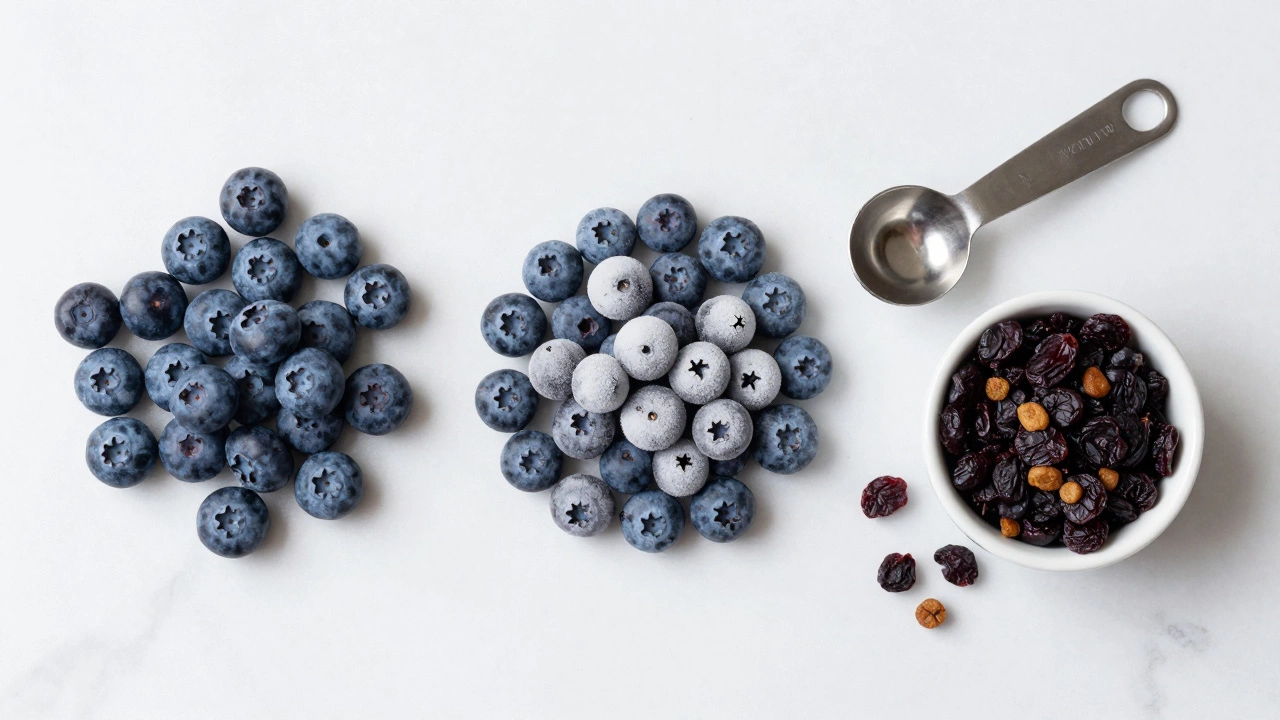
Not all blueberries are created equal when it comes to canine consumption. The form in which you serve them changes their nutritional profile and safety risk.
- Fresh Blueberries: The best option. Wash them thoroughly to remove pesticides and dirt. No preparation needed other than rinsing.
- Frozen Blueberries: Also excellent. Many dogs love the crunch. They last longer in the fridge and can be a refreshing treat on hot days. Thawing isn’t necessary; frozen berries are soft enough for most dogs to chew safely.
- Dried Blueberries: Proceed with caution. The drying process concentrates the sugar. One ounce of dried blueberries equals roughly three cups of fresh ones. Check the label carefully-many commercial dried berries contain added sugar or sulfites, which are harmful to dogs. Stick to unsweetened, additive-free varieties if you choose this route.
- Canned Blueberries: Avoid these entirely. They are usually packed in syrup, loading your dog with unnecessary sugar and empty calories.
A pro tip from trainers: Freeze whole blueberries and use them as high-value training rewards. The effort required to lick and bite the frozen berry keeps dogs engaged longer during sessions.
Hidden Risks and Who Should Avoid Them
While blueberries are safe for the vast majority of dogs, there are exceptions. Understanding your dog’s specific health profile is crucial.
Diabetic Dogs: Blueberries contain natural fructose. While lower glycemic index than table sugar, it still affects blood glucose levels. Diabetic dogs can eat blueberries, but only under strict veterinary supervision and in very limited quantities. Never introduce new foods without checking with your vet first.
Kidney Disease: Dogs with chronic kidney disease often need to limit phosphorus and potassium intake. Blueberries contain moderate amounts of both. If your dog has been prescribed a renal diet, consult your vet before adding any fruit supplements.
Allergies: Rare, but possible. Some dogs may be allergic to berries or molds present on imperfectly stored fruit. Signs of an allergic reaction include itching, swelling around the face, hives, or difficulty breathing. If you notice these symptoms, stop feeding immediately and seek emergency care.
Choking Hazard: Small dogs or aggressive eaters who gulp food without chewing may choke on whole berries. If your dog is a "vacuum cleaner" eater, mash the berries slightly or mix them into their kibble to ensure safe consumption.
Blueberries vs. Other Common Dog Fruits
You might wonder if blueberries are better than other popular fruits. Each has unique benefits and drawbacks.
| Fruit | Key Benefit | Risk/Precaution |
|---|---|---|
| Blueberries | High antioxidants, low calorie | None significant for healthy dogs |
| Apples | Vitamins A & C, fiber | Remove seeds and core (cyanide risk) |
| Bananas | Potassium, magnesium | High sugar; limit portions |
| Watermelon | Hydration, low calorie | Remove rind and seeds |
| Avocado | Healthy fats | Toxic: Persin causes vomiting/diarrhea |
Note the avocado warning. Unlike blueberries, avocados contain persin, a fungicidal toxin that can cause serious illness in dogs. Always verify fruit safety before sharing. Grapes and raisins are strictly forbidden as they can cause acute kidney failure even in tiny amounts.

How to Introduce Blueberries to Your Dog’s Diet
Introducing new foods requires patience. Sudden dietary changes disrupt gut bacteria, leading to gas and loose stools. Follow this simple protocol:
- Day 1: Offer 1-2 washed, fresh blueberries as a standalone treat. Observe for 24 hours.
- Day 2: If no adverse reaction, mix 3-5 mashed blueberries into their regular meal. This masks the taste and encourages acceptance.
- Day 3: Increase to the recommended daily portion based on size, either mixed in food or as separate treats.
- Ongoing: Monitor stool consistency. Softening indicates too much fiber or sugar. Reduce quantity if this occurs.
If your dog refuses them, don’t force it. Some dogs simply dislike the texture or tartness. You can try freezing them for a different mouthfeel, or blending a few into a peanut butter (xylitol-free) mixture. However, if they consistently reject it, respect their palate. There are plenty of other healthy options.
Frequently Asked Questions
Can puppies eat blueberries?
Yes, puppies can eat blueberries, but in very small quantities. Their digestive systems are more sensitive. Start with half a berry mashed up to test tolerance. Always ensure the berry is soft enough to prevent choking.
Are blueberry leaves safe for dogs?
The leaves of the blueberry bush are non-toxic and sometimes used in herbal teas for humans. However, they are tough and fibrous, offering little nutritional value to dogs and posing a choking hazard. Stick to the fruit itself.
Do blueberries stain dog teeth?
Blueberries contain anthocyanins, which give them their color. These pigments can temporarily stain teeth, similar to red wine or coffee in humans. Regular dental brushing or dental chews will mitigate this effect. The staining is cosmetic and harmless.
Can I feed my dog blueberry muffins?
Generally, no. Commercial muffins contain high amounts of sugar, flour, butter, and often chocolate chips or raisins, all of which are unhealthy or toxic to dogs. If you want to bake, make homemade dog-safe muffins using oat flour, pumpkin puree, and a small amount of real blueberries.
What happens if my dog eats too many blueberries?
Overconsumption typically results in gastrointestinal distress, including diarrhea, vomiting, and gas. This is due to the high fiber and sugar content. Ensure your dog stays hydrated. Symptoms usually resolve within 24 hours. If vomiting persists or blood appears in stool, contact your veterinarian.
Are wild blueberries better than cultivated ones?
Wild blueberries are smaller and often have higher concentrations of antioxidants per gram compared to cultivated varieties. However, for dogs, the difference is negligible in terms of health impact. Both types are safe and nutritious. Ensure wild berries are properly identified and free from pesticide runoff.
Can blueberries help with dog anxiety?
There is no direct scientific evidence that blueberries cure anxiety. However, the act of licking or chewing on frozen blueberries can be calming and distracting. Additionally, overall brain health supported by antioxidants may indirectly support cognitive function, but they are not a substitute for behavioral therapy or prescribed anti-anxiety medication.