
Affordable Dog Meal Planner
Enter your dog's details to generate a simple, nutritious meal plan following the 50% Protein, 25% Carbs, 25% Veggies guideline.
Daily Food Breakdown
Weekly Shopping List Estimate
- Protein 0 lbs of Ground Turkey, Chicken Thighs, or Eggs
- Carbs 0 cups Dry Rice or Oats
- Veggies 0 bags Frozen Mixed Vegetables
It’s a panic moment every dog owner dreads. You’re at the checkout counter, looking at the price of premium kibble, and your bank account is screaming "no." Or maybe you’ve just lost a job, or unexpected vet bills wiped out your savings for the month. The question hits hard: What can I feed my dog if I can't afford dog food?
You don’t need to starve your pup, and you definitely don’t need to break the bank. Dogs are far more adaptable than their picky-eater reputation suggests. While commercial kibble is convenient, it isn’t magic. It’s mostly meat by-products, grains, and fillers pressed into shapes. If you can cook a simple meal for yourself, you can cook one for your dog. Let’s look at how to keep tails wagging without draining your wallet.
The Core Formula for Cheap Homemade Dog Meals
Forget complex recipes with exotic ingredients. A balanced, affordable homemade diet follows a simple rule of thumb that veterinary nutritionists often cite for short-term maintenance: 50% protein, 25% carbohydrates, and 25% vegetables. This ratio ensures your dog gets enough energy and muscle-building blocks without requiring expensive superfoods.
Protein doesn’t have to be steak. In fact, cheaper cuts are often healthier because they contain more connective tissue, which breaks down into collagen during cooking. Carbohydrates provide the calories dogs need to stay active, and veggies add fiber and vitamins. This structure keeps costs low while meeting basic nutritional needs.
| Nutrient Group | Percentage of Meal | Affordable Examples |
|---|---|---|
| Protein | 40-50% | Chicken thighs, ground turkey, eggs, canned sardines |
| Carbohydrates | 25-30% | Rice, oats, sweet potatoes, pasta |
| Vegetables | 20-25% | Carrots, green beans, spinach, pumpkin |
Best Budget-Friendly Proteins
When money is tight, protein quality matters less than quantity and digestibility. You want sources that are easy on the stomach and light on the pocketbook. Avoid lean chicken breasts; they’re expensive and can cause loose stools in dogs if fed exclusively. Instead, opt for fatty cuts or organ meats.
Chicken Thighs and Legs are usually half the price of breasts. They come bone-in or boneless, skin-on or off. For safety, remove bones before serving cooked meat to prevent choking hazards. Skin adds healthy fats that keep your dog’s coat shiny.
Eggs are arguably the most cost-effective protein source available. One dozen eggs provides high-quality protein and essential amino acids. Scramble them plain (no butter or oil needed) or boil them. They are gentle on sensitive stomachs and packed with nutrients.
Don’t ignore Canned Fish. Tuna or sardines packed in water (not oil) are cheap, shelf-stable, and rich in Omega-3 fatty acids. Rinse them first to reduce sodium content. Just don’t make fish the only protein source, as too much mercury from tuna can accumulate over time.
Safe and Cheap Carbohydrate Sources
Dogs aren’t obligate carnivores like cats. They thrive on starches. Rice is the gold standard here. White rice is bland, easily digestible, and incredibly cheap when bought in bulk. Brown rice offers more fiber but takes longer to cook and might upset some sensitive tummies.
Oats are another winner. Plain, old-fashioned rolled oats are inexpensive and provide beta-glucan, which supports heart health. Cook them thoroughly in water-never use instant packets with added sugar or flavors. Sweet potatoes are slightly pricier per pound but offer immense nutritional density. Bake them whole, peel them, and mash them up. They’re great for dogs with grain sensitivities.
Veggies That Add Value Without Cost
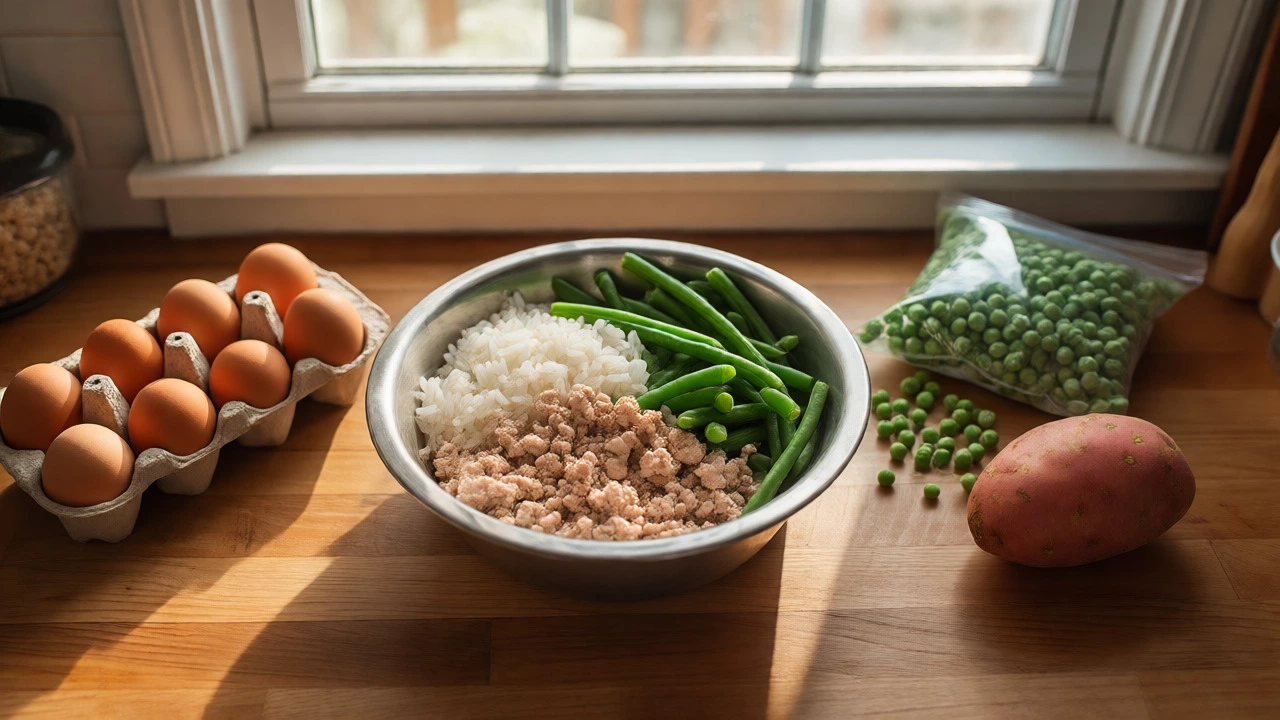
Frozen vegetables are your best friend. They’re picked at peak ripeness, flash-frozen to lock in nutrients, and rarely spoil before you use them. Bags of frozen mixed peas and carrots are often under $2. Steam them lightly until soft. Raw veggies can be hard for dogs to digest, so cooking helps release the nutrients.
Green beans are fantastic for weight management. If your dog needs to lose a few pounds, replace some of the carb portion with steamed green beans. They’re filling but low-calorie. Spinach is another nutrient powerhouse, though it contains oxalates, so feed it in moderation. Pumpkin puree (plain, not pie filling) is excellent for digestive issues and comes in cheap cans.
Foods to Absolutely Avoid
Just because something is cheap doesn’t mean it’s safe. Human leftovers can be dangerous traps. Onions, garlic, chives, and leeks belong to the allium family and are toxic to dogs. Even small amounts can damage red blood cells over time. Never feed these raw or cooked.
Grapes and raisins are notorious for causing sudden kidney failure in dogs, even in tiny quantities. Avocado contains persin, which can cause vomiting and diarrhea in some dogs. Chocolate is obvious, but also watch out for xylitol, an artificial sweetener found in many peanut butters and baked goods. Xylitol causes rapid insulin release and liver failure.
- Toxic: Onions, garlic, grapes, raisins, macadamia nuts, chocolate, xylitol.
- Cautious: Fatty trimmings (can cause pancreatitis), cooked bones (splinter risk), dairy (many dogs are lactose intolerant).
Transitioning Safely
If your dog has been eating kibble their whole life, switching abruptly to home-cooked meals can cause gastrointestinal upset. Diarrhea and gas are common complaints during transitions. To avoid this, mix the new food with the old food gradually over five to seven days.
Start with 25% new food and 75% kibble. Then move to 50/50, then 75/25, and finally 100% homemade. This gives the gut bacteria time to adjust. If your dog refuses the new food, try adding a little warm water or low-sodium broth to enhance the aroma. Dogs eat with their noses first.
Supplements for Long-Term Health
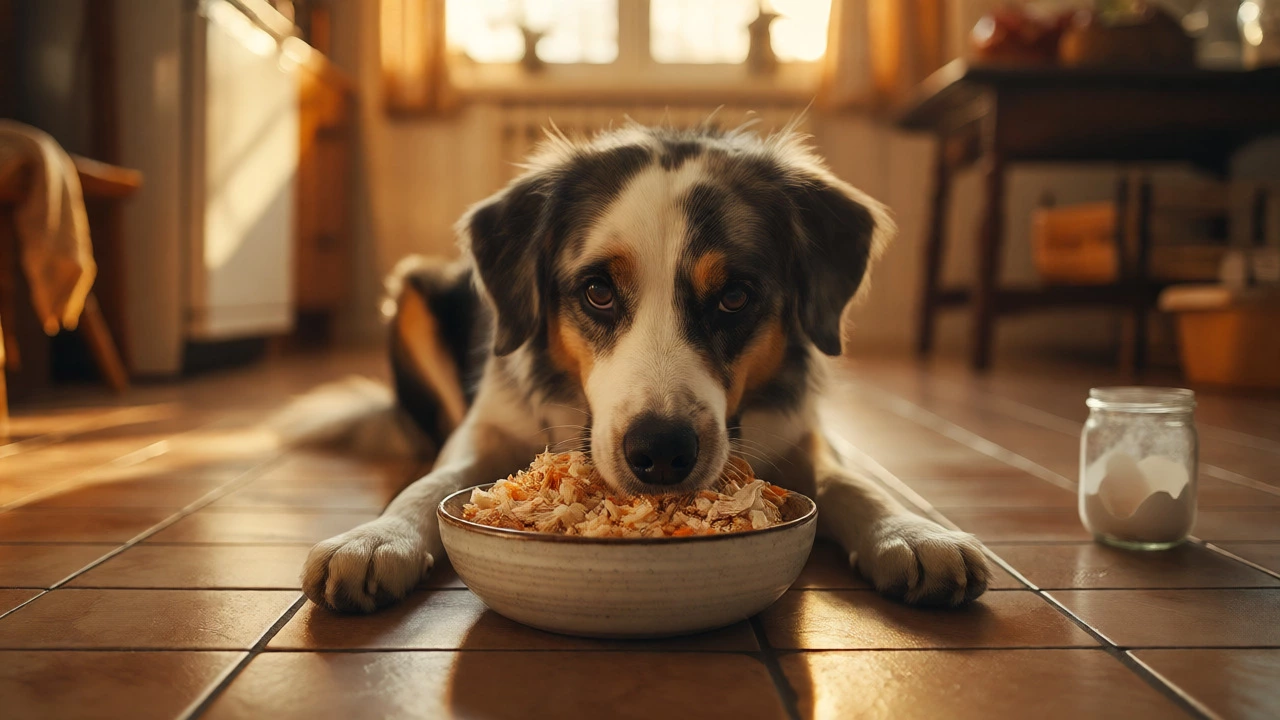
Homemade diets lack certain micronutrients found in fortified kibble. Calcium is the big one. Meat is high in phosphorus but low in calcium. Over time, an imbalance can lead to bone issues. Add crushed eggshells to the food. Bake clean eggshells at 300°F for ten minutes to kill bacteria, then grind them into a fine powder. Half a teaspoon per pound of body weight is a general guideline, but consult your vet.
For longer-term feeding (more than a month), consider a canine multivitamin. These are relatively inexpensive and cover gaps in Vitamin E, B-complex, and trace minerals. Fish oil capsules are also worth the investment if you aren’t using oily fish regularly. They support joint health and skin condition.
Real-World Example: The $5 Dinner
Let’s put this into practice. Imagine you have $5 to feed a medium-sized dog for two days. Here’s a realistic shopping list and plan:
- Buy: One pound of ground turkey ($3.00), one bag of frozen mixed veggies ($1.50), one cup of dry rice ($0.50).
- Cook: Boil the rice. Brown the turkey in a pan with no oil. Steam the veggies.
- Mix: Combine equal parts rice and turkey, plus a smaller portion of veggies. Divide into four meals.
- Serve: Warm slightly before serving. Store extras in the fridge for up to three days.
This meal provides complete protein, carbs for energy, and fiber/vitamins from the veggies. It’s bland enough for sensitive stomachs but nutritious enough for daily feeding.
When to See a Vet
Budget constraints shouldn’t stop you from seeking help. If your dog stops eating, vomits repeatedly, or shows signs of lethargy, see a vet. Some clinics offer payment plans or sliding scale fees. Animal shelters and rescue organizations often run food banks where you can pick up free or discounted dog food. Don’t let pride keep your dog hungry.
Remember, consistency matters more than perfection. A simple, consistent diet of rice, turkey, and veggies is better than an erratic mix of scraps and expensive treats. Your dog cares about being full and loved, not about brand names.
Can I feed my dog human food every day?
Yes, provided the food is safe for dogs and nutritionally balanced. However, long-term exclusive feeding of human-grade ingredients requires careful planning to ensure adequate calcium and vitamin levels. Occasional meals are perfectly fine, but daily feeding needs attention to ratios.
Is rice bad for dogs?
No, plain white or brown rice is generally safe and beneficial for dogs. It is easily digestible and often recommended for dogs with upset stomachs. Ensure it is cooked fully and served without salt, butter, or spices.
How much should I feed my dog homemade food?
A general rule is to feed 2-3% of your dog's ideal body weight per day. For example, a 50-pound dog would eat roughly 1 to 1.5 pounds of food daily, split into two meals. Adjust based on activity level and weight changes.
Are eggs good for dogs?
Yes, eggs are an excellent source of protein and fatty acids. They must be cooked to avoid salmonella risk and biotin deficiency associated with raw egg whites. Serve them plain without added salt or pepper.
Can I give my dog peanut butter?
Yes, but check the label carefully. Many brands contain xylitol, which is toxic to dogs. Choose natural peanut butter with no added sugars or salts. Use it sparingly as a treat due to its high fat content.